Medication & medical: what you can bring on a plane
Prescription and over-the-counter medication, insulin, inhalers and EpiPens. 6 items.
| Main limit | |||
|---|---|---|---|
| Over-the-counter pills | Allowed | Allowed | Pills and solids: no TSA quantity limit, must be screened |
| Prescription medication | Allowed | Allowed | Pills and solid medication: no TSA quantity limit, must be screened |
| Vitamins and supplements | Allowed | Allowed | Vitamin pills, capsules and supplements: carry-on and checked |
| Insulin, pens and syringes | Allowed | Allowed | Insulin: allowed over 3.4 oz in carry-on as a medically necessary liquid; must be declared |
| Asthma inhalers | Allowed | Allowed | Inhalers: carry-on (declare at screening) and checked |
| EpiPens and auto-injectors | Allowed | Allowed | EpiPens / auto-injectors: carry-on and checked |
Rulings are for US flights (TSA and FAA). Open an item for limits, tips and international differences.
Guides on this topic
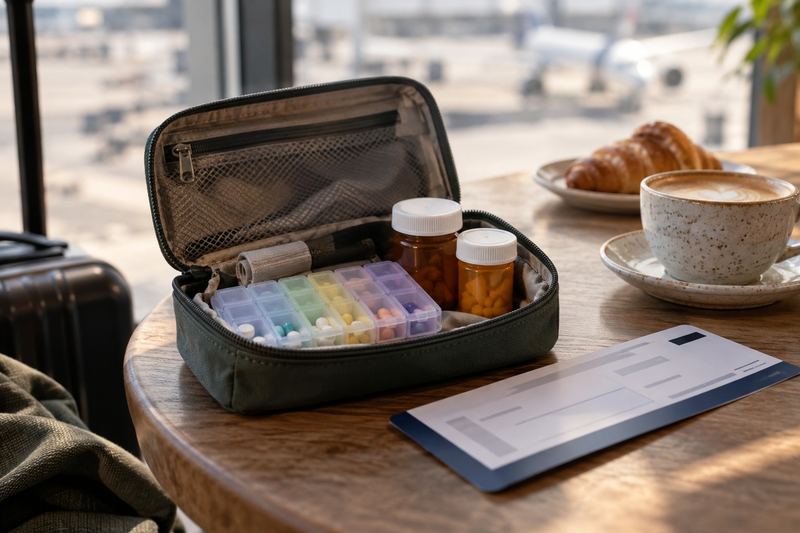
Flying with medication: TSA rules and international limits
Pills fly in any amount; liquid medicine over 3.4 oz is allowed if declared. Plus insulin, inhalers, EpiPens, CPAPs and Japan and Singapore import limits.
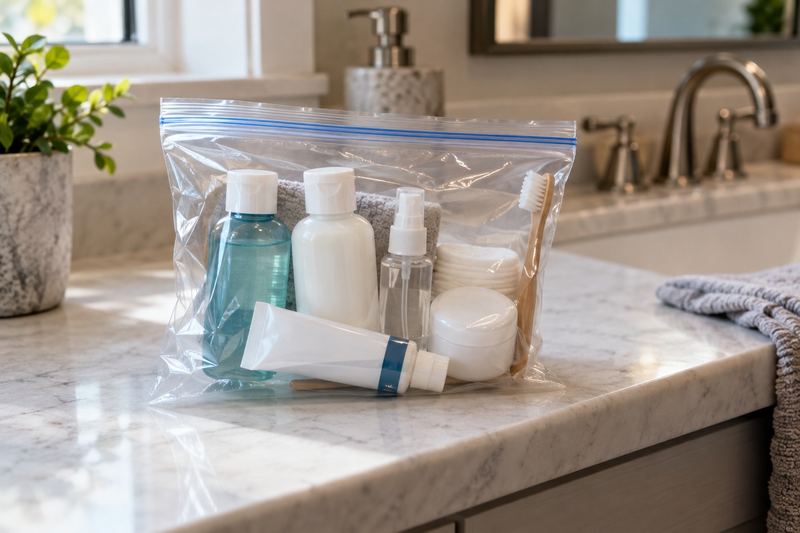
How many ounces can you take on a plane? The TSA liquids rule
Carry-on liquids must be 3.4 oz (100 ml) or less per container in one quart-size bag. What counts as a liquid, exemptions and checked-bag limits.
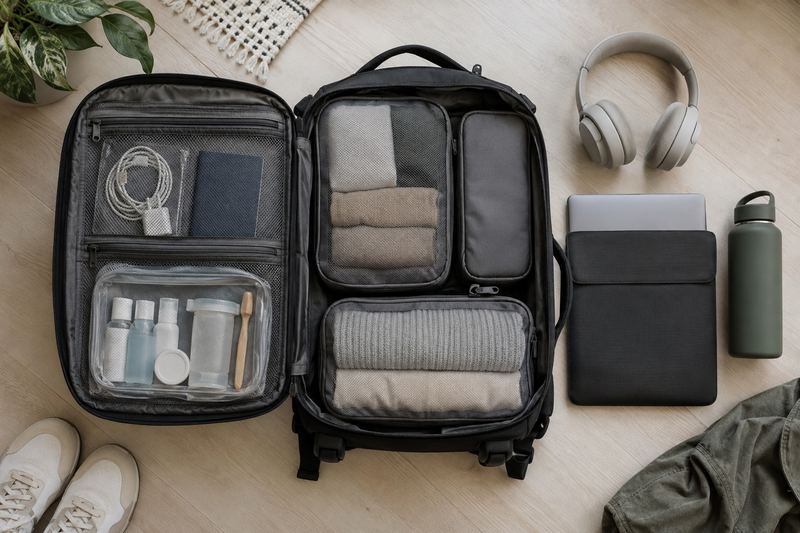
Carry-on packing list: a TSA-friendly checklist by bag area
A carry-on packing list by bag area: liquids bag, electronics, medication, documents, food and small sharp items, with what to move to your checked bag.